


Description
KPV Peptide: Benefits, Uses, Dosage, Safety, and Research
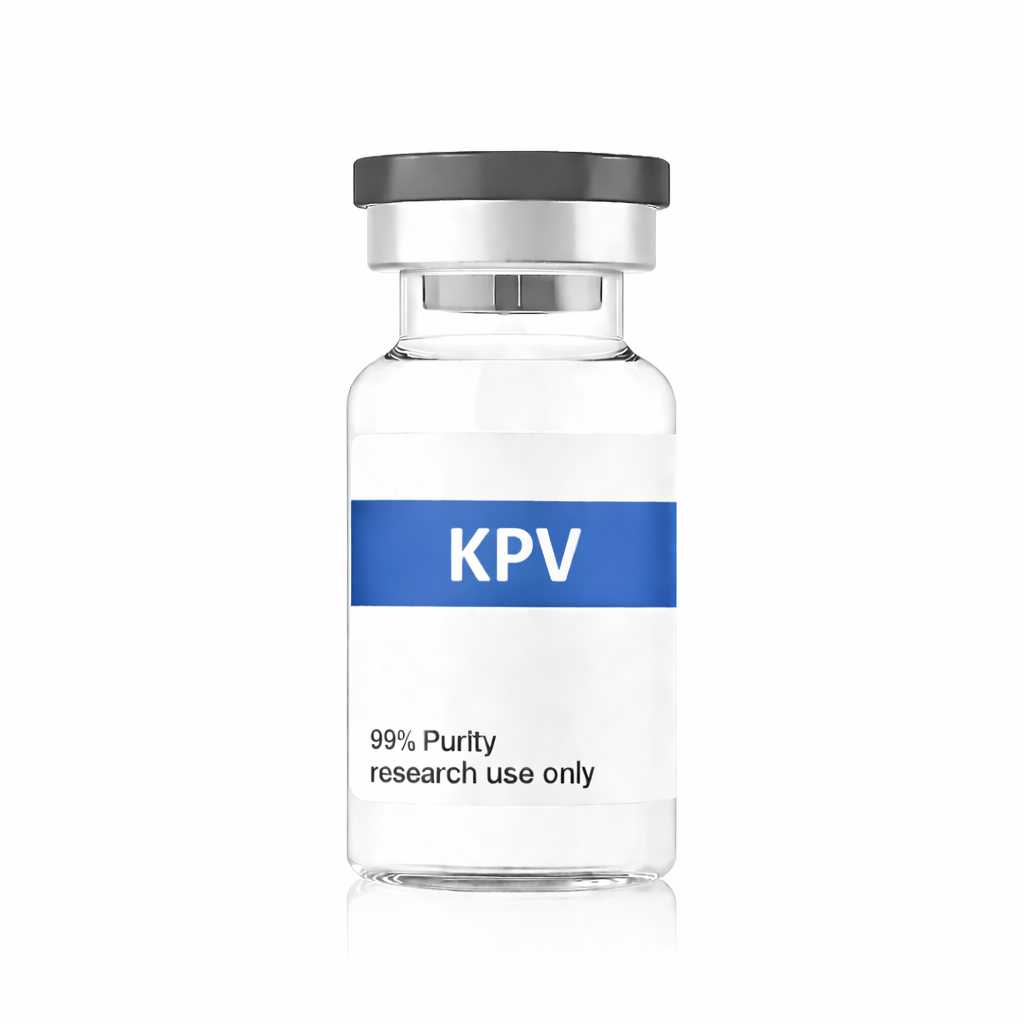
The KPV peptide is a short bioactive peptide derived from alpha-melanocyte-stimulating hormone (α-MSH). It has gained attention for its potential anti-inflammatory, immune-modulating, and gut-supporting properties. Researchers are exploring KPV for conditions related to inflammation, gut health, and skin disorders.
This guide explains what the KPV peptide is, how it works, its potential benefits, safety considerations, and answers the most common questions about its use.
What Is KPV Peptide?
KPV is a tripeptide composed of three amino acids: lysine (K), proline (P), and valine (V). It is naturally derived from a larger hormone involved in regulating inflammation and immune response.
Unlike many peptides that affect hormones or growth pathways, KPV mainly acts on inflammatory signaling pathways, making it interesting for people researching the following:
-
Inflammatory bowel disease (IBD)
-
Leaky gut and gut inflammation
-
Skin inflammation (eczema, psoriasis, rosacea)
-
Autoimmune-related inflammation
How KPV Peptide Works
KPV works by interacting with immune signaling receptors and reducing the release of pro-inflammatory cytokines such as TNF-α, IL-6, and IL-1β. This may help:
-
Calm excessive immune responses
-
Support the gut lining and intestinal barrier
-
Reduce localized and systemic inflammation
Because inflammation plays a role in many chronic conditions, KPV’s mechanism makes it a promising research peptide.
Potential Benefits of KPV Peptide
1. Anti-Inflammatory Support
KPV has been shown in studies to reduce inflammatory markers and help regulate immune activity.
2. Gut Health Support
It may help protect the intestinal lining and reduce inflammation associated with IBS, IBD, and leaky gut.
3. Skin Health
Topical and systemic research suggests benefits for inflammatory skin conditions such as eczema and psoriasis.
4. Immune Modulation
KPV appears to support immune balance rather than suppress immunity, which may be helpful for autoimmune-related inflammation.
KPV Peptide Dosage (Research Context)
There is no officially approved dosage for KPV in humans. In research and experimental settings, dosing varies depending on:
-
Delivery method (oral, sublingual, injectable, topical)
-
Condition being studied
-
Body weight and metabolism
Always consult a qualified healthcare professional before considering peptide use.
Safety & Side Effects
KPV is generally considered well tolerated in research, but possible side effects may include:
-
Mild digestive upset
-
Headache
-
Fatigue
-
Local irritation (for topical or injectable forms)
People who are pregnant, breastfeeding, immunocompromised, or on immune-modulating medications should avoid use unless supervised by a physician.
Is KPV legal?
KPV peptide is typically sold as a research compound, not as an approved medication or dietary supplement. Its legal status depends on your country and intended use.
FAQ Section
What does KPV peptide stand for?
KPV refers to the three amino acids that make up the peptide: lysine, proline, and valine.
Is the KPV peptide the same as BPC-157?
No. KPV and BPC-157 are different peptides with different mechanisms and research focuses.
Can KPV be taken orally?
Some research suggests oral or sublingual absorption is possible, but bioavailability varies and is still being studied.
Does KPV affect hormones?
No, KPV does not appear to significantly affect growth hormone, testosterone, or cortisol levels.
Is the KPV peptide safe for long-term use?
Long-term human safety data is limited. Most studies are short-term or animal-based.
Can KPV help with autoimmune disease?
KPV may help regulate immune response, but it is not a cure and should not replace medical treatment.


Reviews
There are no reviews yet.