
Description
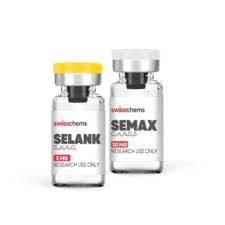
Semax Peptide: Benefits, Uses, and Research Overview
What Is Semax Peptide?
Semax peptide is a synthetic peptide derived from a fragment of adrenocorticotropic hormone (ACTH). It was originally developed for research purposes related to neurological function and cognitive performance. Semax is best known for its potential effects on brain signaling pathways, neuroprotection, and cognitive support.
Unlike traditional stimulants, Semax does not act as a sedative or excitatory compound. Instead, it is studied for its role in modulating neurotransmitters and supporting brain-derived neurotrophic factor (BDNF) activity.
How Semax Peptide Works
Semax peptide is researched for its interaction with key neurological systems, including:
-
Dopaminergic signaling pathways
-
Serotonin regulation
-
Brain-derived neurotrophic factor (BDNF) expression
-
Stress-response mechanisms
These pathways are associated with learning, memory, focus, and overall cognitive performance. Because of this, Semax is often studied in nootropic and neuroprotective research contexts.
Potential Benefits of Semax Peptide
Research and observational data suggest Semax peptide may be associated with:
-
Cognitive performance support
-
Memory and learning enhancement
-
Focus and mental clarity
-
Neuroprotective properties
-
Stress adaptation support
It is important to note that Semax peptide is primarily used for research and educational purposes, and individual results may vary.
Semax Peptide Dosage Overview
Semax peptide dosage varies depending on the research application and method of administration. It is commonly studied in intranasal or injectable forms in controlled research settings.
General dosage discussions in the research community often focus on:
-
Short cycles rather than continuous use
-
Conservative starting amounts
-
Monitoring individual response
Always consult a qualified professional before considering any peptide-related protocol.
Safety and Research Considerations
Semax peptide is generally described as well-tolerated in research settings. However, potential considerations may include:
-
Mild nasal irritation (intranasal use)
-
Temporary headaches
-
Fatigue or overstimulation in some individuals
Semax is not approved by the FDA for medical use in the United States and should not be marketed as a treatment or cure for any condition.
Why Semax Peptide Is Popular in Research
Semax stands out among peptides due to its:
-
Non-hormonal nature
-
Short half-life
-
Focus on cognitive rather than physical enhancement
-
Ongoing interest in neurological research
Its unique mechanism makes it a frequent subject in nootropic and brain-health research discussions.
FAQ
What is Semax used for?
Semax is primarily used in research related to cognitive performance, neurological function, and neuroprotection.
Is Semax a nootropic?
Semax is often classified as a nootropic peptide due to its research focus on memory, focus, and learning support.
Is Semax FDA approved?
No, Semax is not FDA approved for medical use in the United States.
How long does Semax peptide last?
Semax has a relatively short half-life, which is why it is often studied in repeated or cyclical protocols.
Are there side effects of Semax ?
Reported side effects in research settings are generally mild and may include headaches, nasal irritation, or temporary fatigue.
Can Semax be combined with other peptides?
Some research protocols explore stacking Semax with other peptides, but this should only be done under professional supervision.

Reviews
There are no reviews yet.